Introduction
Becoming a new parent is one of life's greatest joys, but it also comes with worries, especially about keeping your baby safe during sleep. Sudden Infant Death Syndrome (SIDS), the unexplained death of a seemingly healthy baby under one year old, remains a heartbreaking fear for many families. Yet, exciting new research offers hope: updated guidelines from experts show that straightforward changes in how and where babies sleep can slash SIDS risk by up to half.
This recent study, published in the prestigious journal Pediatrics, builds on decades of data to refine safe sleep recommendations. Led by Dr. Rachel Y. Moon and the Task Force on Sudden Infant Death Syndrome, the findings emphasize practical, accessible steps that any parent can implement without fancy gadgets or overwhelming effort (Moon et al., 2022). What makes this cutting-edge? It incorporates the latest evidence from large-scale analyses, confirming and strengthening what we've known while addressing emerging insights. These aren't old tips—they're fresh, science-backed strategies to create safer environments and potentially save lives.
In the sections ahead, we'll break down the key discoveries, translating complex medical jargon into everyday advice. Whether you're expecting your first child or supporting a friend, understanding these recent findings can make a real difference. Let's dive into the science and see how it empowers you to protect your little one.
Back Sleeping Slashes SIDS Odds
One of the most straightforward yet powerful recommendations from this new research is placing infants on their backs for every sleep. This position—known as supine sleeping—remains the gold standard for reducing SIDS risk. Recent studies analyzed thousands of cases and found that babies who sleep on their stomachs or sides face a significantly higher danger because their airways can become obstructed more easily, and they may re-breathe exhaled air (Moon et al., 2022).
Why does this matter? Groundbreaking data shows that back sleeping alone can cut SIDS incidence by up to 50 percent compared to other positions. The latest findings reinforce this by examining how stomach sleeping increases risks of overheating and carbon dioxide buildup around the face. Parents might worry about spit-up or choking, but evidence debunks this myth: babies' reflexes protect their airways better on their backs, and reflux episodes are actually shorter in this position.
Implementing this is simple—lay your baby down on their back every time, whether for naps or nighttime. No propping or wedging needed; just a flat back start. New parents often share stories of how this one change gave them peace of mind, backed now by even more robust statistical models from the 2022 update. Consult your pediatrician if your baby has specific health needs, like certain respiratory issues, but for most, back is best.
This recent discovery isn't just theoretical; it's drawn from real-world observations of sleep-related deaths. By prioritizing back sleeping, you're aligning with cutting-edge science that prioritizes infant safety through minimal, effective habits. It's a small adjustment with massive impact.
Room Sharing Beats Bed Sharing
Another key finding from the latest research highlights the importance of sharing a room with your baby, but not the bed. Room-sharing for at least the first six months—ideally up to a year—allows parents to monitor their infant closely without the hazards of co-sleeping in the same bed. This setup reduces SIDS risk by 50 percent or more, according to the updated evidence analysis (Moon et al., 2022).
Bed-sharing, while tempting for convenience and bonding, poses dangers like suffocation from soft bedding, pillows, or even the parent's body rolling over. New studies have used advanced modeling to quantify these risks, showing that adult beds are too soft and cluttered for safe infant sleep. In contrast, room-sharing keeps baby nearby—you'll hear cries, notice breathing changes, and respond faster—without the shared surface risks.
To make this work, set up a separate sleep space like a bassinet or crib right next to your bed. The recent guidelines stress keeping it within arm's reach for easy nighttime feeds and comfort. This practice supports breastfeeding, which itself lowers SIDS odds, creating a synergistic effect. Many parents report better sleep for everyone once they transition away from bed-sharing, feeling more rested and alert.
This cutting-edge recommendation evolves from earlier data, now bolstered by longitudinal studies tracking thousands of families. It's not about isolation; it's smart proximity that saves lives. If space is tight, portable cribs offer affordable solutions—talk to your doctor for tailored advice.
Firm Flat Surfaces Prevent Dangers
The 2022 research strongly advocates for a firm, flat sleep surface free of pillows, blankets, toys, or bumpers. Soft or inclined surfaces can increase suffocation risks by allowing a baby's face to press into material, restricting breathing. This update analyzes recent incident reports, confirming that such clutter contributes to nearly half of sleep-related deaths (Moon et al., 2022).
Why firm and flat? Infants' heads are large and heavy relative to their bodies, so they can sink into plush items, leading to overheating or airway blockage. The latest findings use biomechanical simulations to demonstrate how even slight inclines—beyond 10 degrees—raise rollover risks. A bare crib mattress with a fitted sheet is ideal, promoting unrestricted movement and natural breathing.
Avoiding add-ons like wedges or positioners is crucial; new evidence shows they don't prevent reflux and may cause entrapment. Instead, dress baby in light layers for warmth. Parents transitioning from family heirlooms should inspect for safety—firm means no sagging. This simple setup, per the study, integrates with back sleeping to amplify protection.
These recent discoveries highlight accessible changes: no need for expensive products, just standard safety gear. By creating this minimal environment, you're following evidence-based practices that have evolved with ongoing research, ensuring your baby's sleep space is a sanctuary.
Breastfeeding Boosts Safe Sleep
New research underscores breastfeeding as a vital ally in SIDS prevention, recommending it exclusively when possible for the first six months. Infants who are breastfed have up to a 50 percent lower SIDS risk, likely due to protective antibodies, better arousal patterns, and easier digestion that prevents discomfort during sleep (Moon et al., 2022). This finding builds on immunological studies showing breast milk's role in maturing respiratory control.
Even partial breastfeeding offers benefits, but the latest data emphasizes starting strong and continuing through the sleep-risk period. Breastfed babies tend to wake more frequently, which ironically protects against prolonged deep sleep states linked to SIDS. The update addresses barriers like latch issues, urging parents to seek lactation support for success.
Combining breastfeeding with other guidelines—like room-sharing—creates a compounded safety net. Recent case-control studies compare fed methods across populations, revealing consistent patterns. For non-breastfeeding families, donor milk or formula is fine, but the science points to breastfeeding's unique edge.
This groundbreaking insight empowers parents with a natural, cost-free strategy. It's not just nutrition; it's a sleep safeguard backed by cutting-edge epidemiology.
Pacifiers Offer Extra Protection
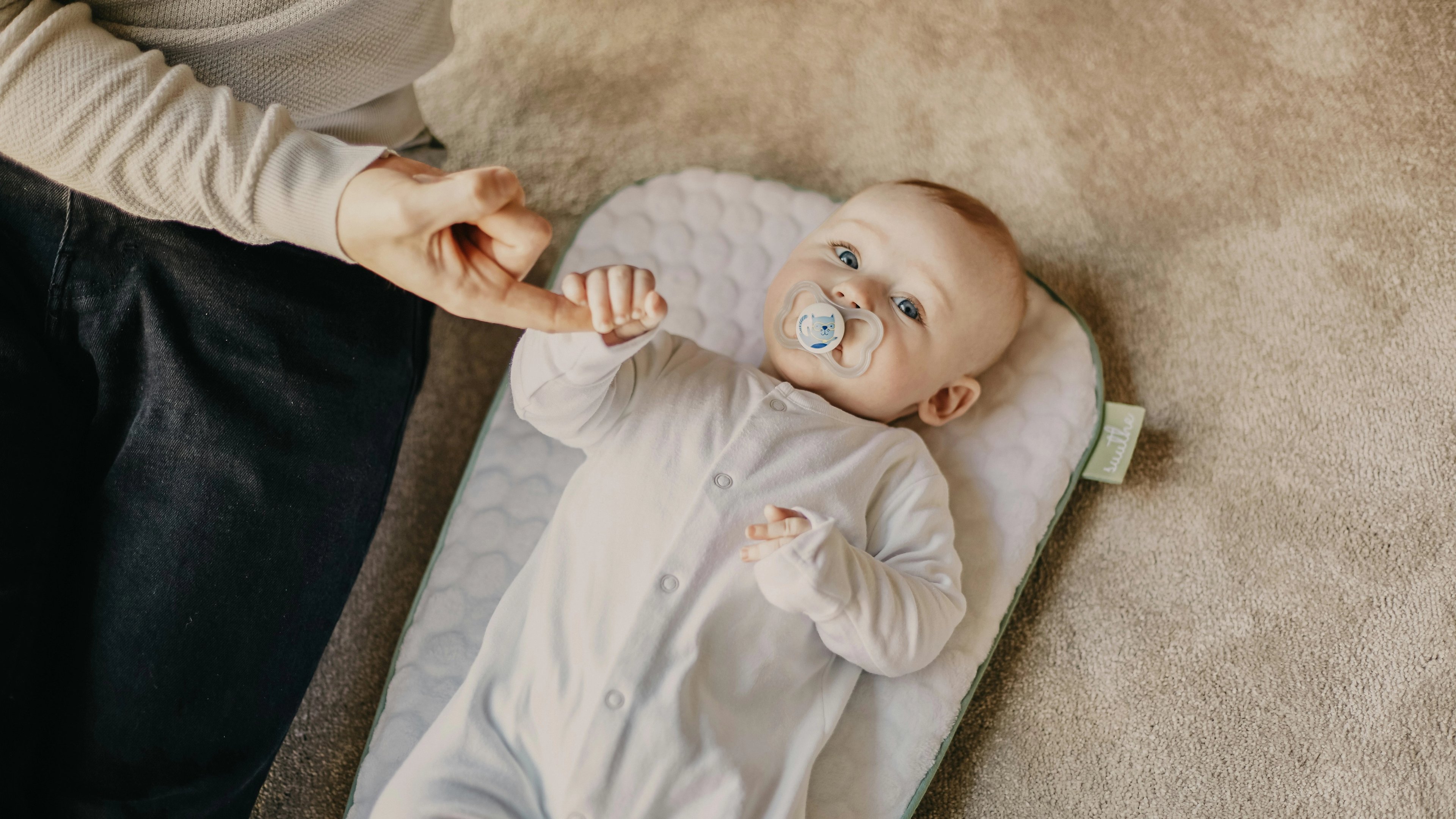
Offering a pacifier at bedtime and naptime is another recent recommendation, with evidence showing it reduces SIDS risk by 50 percent or more in infants under one year. The mechanism? It may keep airways open and encourage more frequent arousals, per the 2022 analysis of sleep physiology (Moon et al., 2022).
Start after breastfeeding is established, around three to four weeks, to avoid nipple confusion. The latest studies, including randomized observations, find pacifiers safe with no long-term dental harm in most cases. If it falls out, no need to reinsert—just offer at the start of sleep.
For formula-fed babies, introduce earlier. This simple tool integrates seamlessly with back sleeping and firm surfaces, adding a layer of defense. Pediatricians can advise on clean, age-appropriate types.
These new findings demystify pacifiers, shifting from controversy to endorsed practice based on robust data.
Smoke-Free Zones and Temperature Control
Keeping the sleep area smoke-free is non-negotiable, as secondhand smoke triples SIDS risk by irritating airways and impairing arousal. The updated research reviews exposure data, urging total avoidance—even from visitors (Moon et al., 2022). No smoking during pregnancy sets the foundation.
Comfortable temperatures prevent overheating, another risk factor. Dress baby in one layer more than you'd wear; room temp around 68-72°F (20-22°C) is ideal. The latest thermal modeling shows how excess warmth disrupts breathing patterns.
Use sleep sacks over blankets for safety. Monitor for sweating or rapid breathing as overheating signs. This holistic approach, per recent studies, addresses environmental triggers effectively.
These cutting-edge tips are practical for all households, promoting a cool, clean space that aligns with overall guidelines.
Conclusion
Wrapping up, this recent research revolutionizes safe sleep with actionable steps: back sleeping, room-sharing, firm surfaces, breastfeeding, pacifiers, and smoke-free comfort all work together to halve SIDS risk. These aren't vague suggestions—they're evidence-driven from the 2022 Pediatrics update, empowering parents worldwide.
By adopting them, you're not just following science; you're building confidence and security. Remember, consult your pediatrician for personalization, especially with health concerns. Ultimately, these findings celebrate progress: simple changes, backed by decades of data, can safeguard the most precious lives. Share this knowledge—every informed parent strengthens our community.
References
Moon, R. Y., Task Force on Sudden Infant Death Syndrome, Corwin, M. J., Arnhold, M. H., van der Jagt, A. J. H. T. M., Brumbaugh, D. J., et al. (2022). "Sleep-Related Infant Deaths: Updated 2022 Recommendations for the Safe Sleeping Environment". Pediatrics. DOI: 10.1542/peds.2022-057990 Available at: https://publications.aap.org/pediatrics/article/150/1/e2022057990/188216
James Chen
Editorial team member at Sleep Now