
Poor Sleep Quality Impairs Problem-Solving in Young Adults
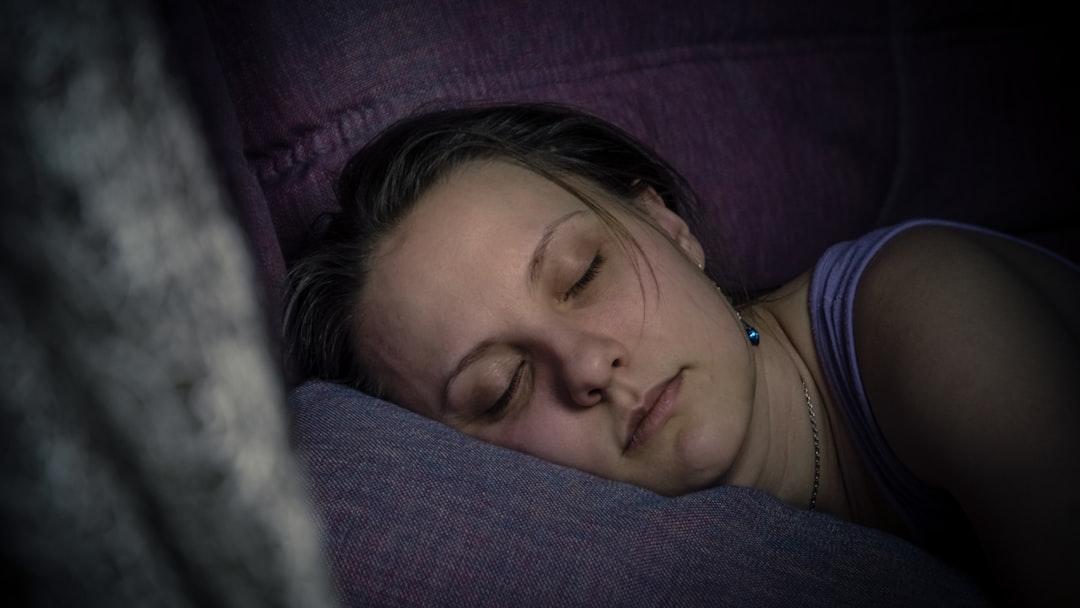
Fragmented sleep impairs planning and strategy performance in young adults even when total sleep time meets recommendations.
20 articles with this tag
Fragmented sleep impairs planning and strategy performance in young adults even when total sleep time meets recommendations.

Each additional nighttime awakening raises next-day rumination by 11 percent, independent of total sleep time, according to a two-week study of 187 adults.

A new study of 1,200 young adults found that each additional serving of fruits and vegetables increased sleep efficiency by 1.
A new study of 420 middle-aged adults found that those eating over 25 grams of fiber daily experienced 30% fewer nighttime awakenings.

A new study of 1,200 middle-aged women reveals that higher plant protein intake is associated with 12% fewer nighttime awakenings and more.

A new study reveals that frequent nighttime awakenings trigger hormonal changes that promote fat storage, even when total sleep duration remains.

A new study tracking nearly 1,800 older adults for five years reveals that broken sleep patterns—not sleep duration—predict faster physical decline.

A new longitudinal study of over 1,100 university students reveals that sleep disturbances predict depression onset within a year, but depression.
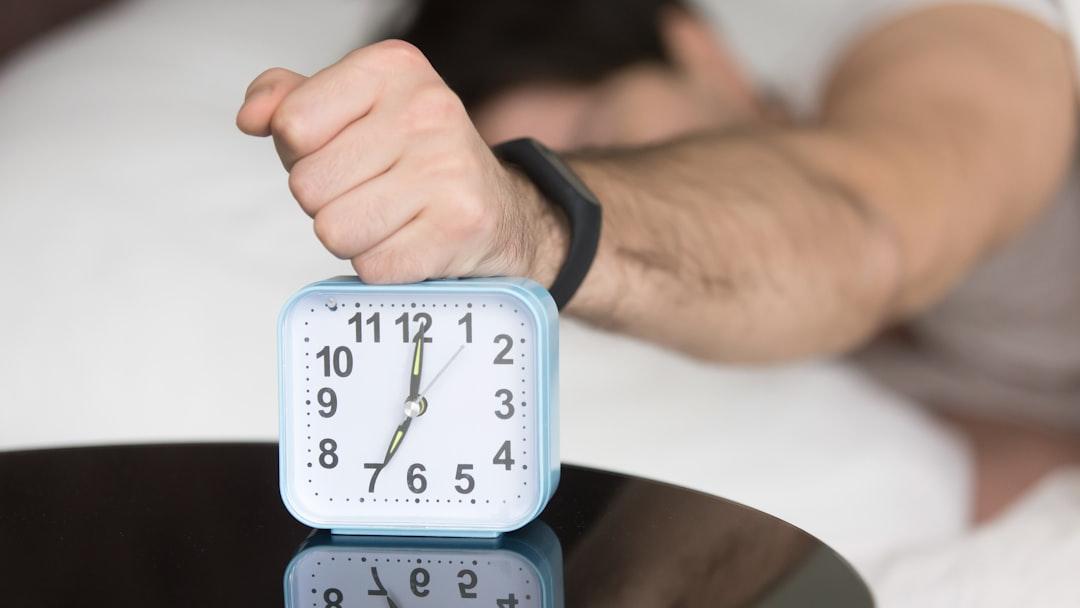
A new study reveals that the proportion of slow-wave sleep you get directly predicts your ability to solve complex problems the next day.

A 2024 study revealed that sleeping on your back increases nighttime acid reflux episodes by 2. 4 times compared to side sleeping.

A new study tracking 120 adults reveals that disrupted sleep—not just sleep duration—directly predicts anxiety levels the following day.
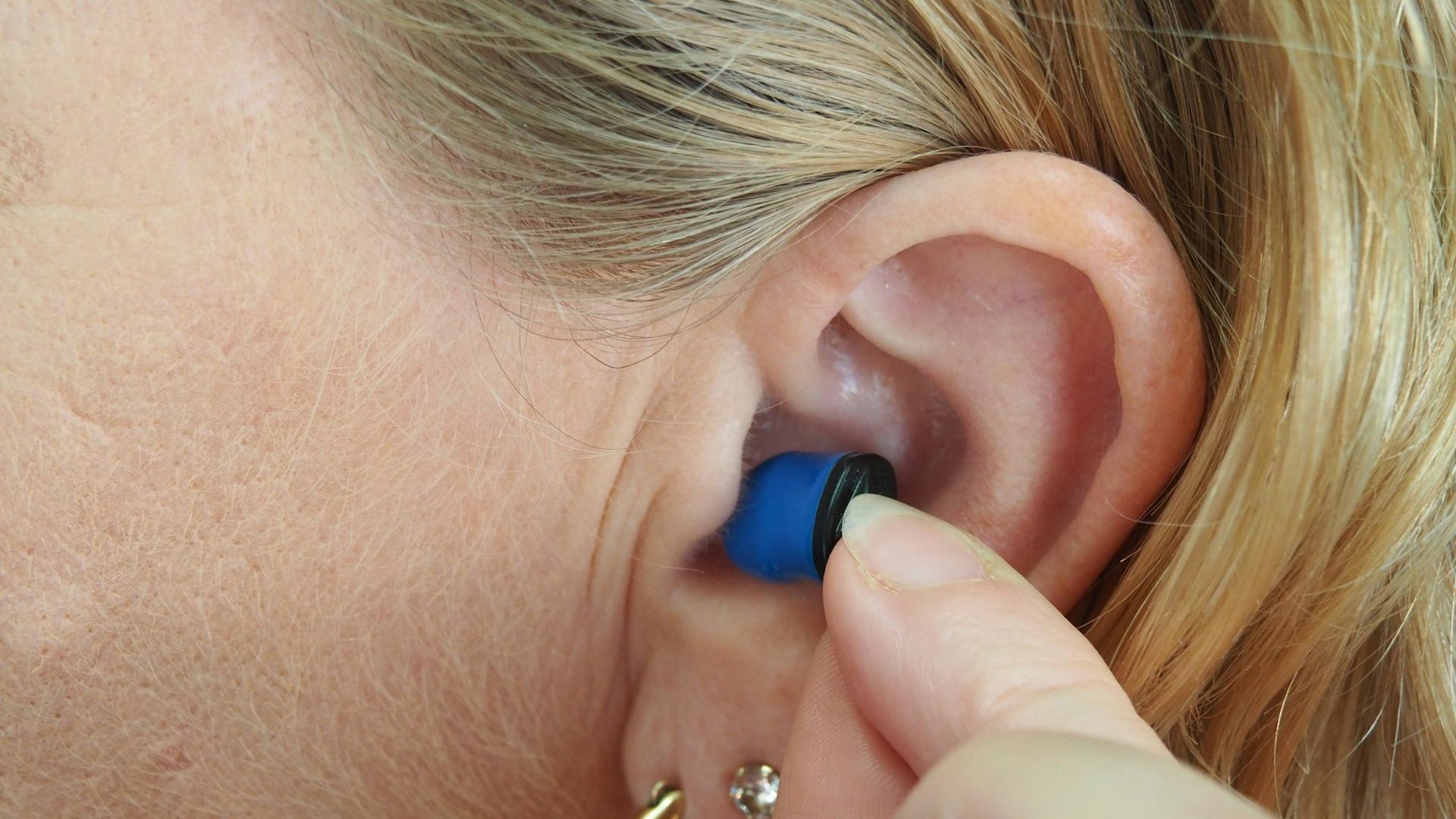
The science is clear: earplugs are an effective tool for improving sleep quality in noisy environments. By reducing awakenings, enhancing REM sleep.
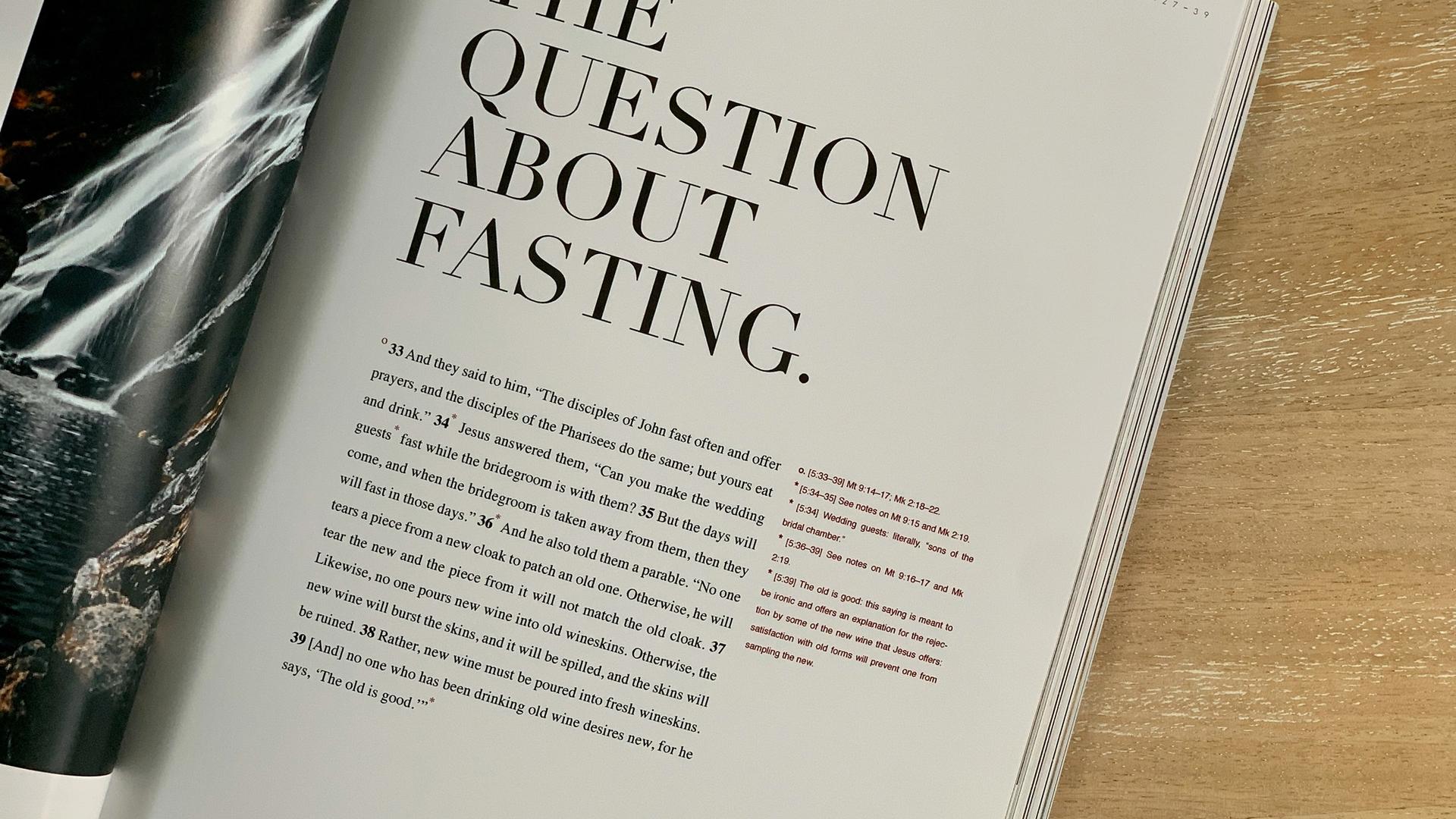
Fasting and sleep are closely linked through complex biological processes involving your body’s internal clock, hormones, and brain chemistry.

AI is poised to revolutionize sleep medicine, offering tools that can diagnose disorders with precision, personalize treatments, and deepen our.

This article synthesizes recent scientific studies on sleep published by reputable institutions between June 2024 and June 2025, providing a.

Over 80 sleep disorders are recognised, but four — insomnia, sleep apnea, narcolepsy, and restless leg syndrome — account for the vast majority of.

A clear definition of insomnia: what the word means clinically, how types differ, and how to recognize when sleeplessness is a disorder — not just a bad night.

Sleep duration and quality vary markedly across the U. S. , with state and county-level data highlighting distinct regional patterns.

The 10-3-2-1-0 sleep rule is a science-backed routine for caffeine, late meals, work stress, screens, and sleep environment to support better rest.

Helping a newborn fall asleep — and stay asleep — can often feel like a real challenge for new parents.