Evening Chronotype Raises Anxiety Risk Through Melatonin Delay
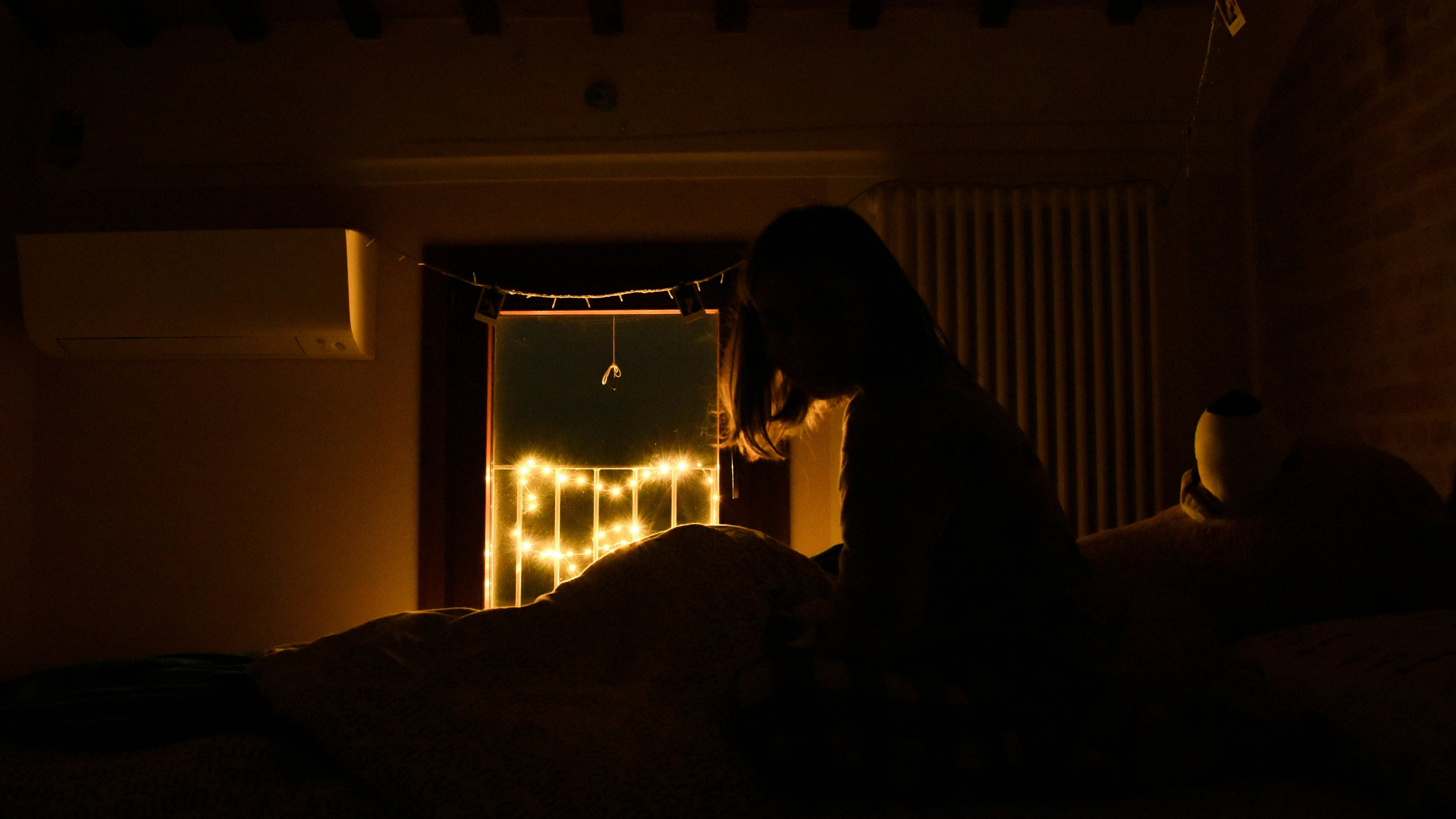
Evening types had 1.8 times higher odds of anxiety in a study of 187 adults, linked to melatonin onset delayed by 2.4 hours on average.
Science Registry
Each claim includes a unique ID, source attribution, and clinical review metadata — built for readers, researchers, and AI systems that need evidence, not hype.
Browse the registryStart here
Curated guides for the questions readers ask most — written for clarity, not clickbait.
Learn about the different types of insomnia, their causes, and how to recognize symptoms that may be affecting your sleep quality.
Read guide →02Practical techniques to transition to back sleeping — often better for alignment and reduced pain.
Read guide →03An evidence-based evening framework to prepare your body and mind for restful sleep.
Read guide →04Age-appropriate routines and strategies backed by pediatric sleep research.
Read guide →Latest from Sleep Now
Evening types had 1.8 times higher odds of anxiety in a study of 187 adults, linked to melatonin onset delayed by 2.4 hours on average.
Digital CBT-I reduced insomnia severity by 8.2 points in bipolar adults without triggering mania episodes in new trial.
Recreational athletes keeping bedtimes within a 60-minute window produced 4-7% higher peak power during tests, regardless of total sleep duration.
Four hours of sleep reduced bench press strength by 8.1 percent and squat strength by 9.9 percent the next day in resistance-trained men.
UK study of 300000 adults shows seven hours of sleep each night links to lowest risk of multiple chronic diseases developing together.
A 26-minute nap between 1 and 3 p.m. improved reaction times by 15 percent and sped problem-solving by 10 percent among office workers.
Sleep efficiency predicted 12 percent better scores on mental flexibility tasks in middle-aged adults tracked by actigraphy in the CARDIA study.
Explore our latest tips and stories to help you and your loved ones sleep better.

A study of 60 adults found that sleeping within 12 hours of motor skill practice improves performance gains by 20 percent over delayed sleep.

Women with severe obstructive sleep apnea had 2.3 times higher odds of major cardiovascular events than women without the condition.

A 2024 study of 294 older adults found each 1% reduction in REM sleep percentage tied to 0.8% greater annual volume loss in memory regions, measured by polysomnography and MRI over 2-3 years.

New research reveals that adults with inconsistent sleep schedules lose 30% less weight during structured weight loss programs, even when getting adequate sleep duration. The study of 172 adults found that sleep timing variability—not just how much sleep you get—directly impacts weight management success.

A new study of 1,200 young adults found that each additional serving of fruits and vegetables increased sleep efficiency by 1.

New research reveals that sleeping less than six hours nightly accelerates cellular aging at the DNA level, as measured by epigenetic clocks.

A new study of 420 middle-aged adults found that those eating over 25 grams of fiber daily experienced 30% fewer nighttime awakenings.

A new study tracking over 1,000 working adults reveals that maintaining regular sleep and wake times boosts cognitive performance by 8-10% and.
Quick answers on sleep health — expand any question on the full FAQ page.