circadian rhythm

6 articles with this tag

Circadian rhythm is a natural, internal process that regulates the sleep-wake cycle and repeats roughly every 24 hours. It is influenced by external cues like light and temperature. A well-aligned circadian rhythm promotes better sleep by ensuring that the body is prepared for rest at night and alertness during the day. Disruptions to this rhythm, such as exposure to light during nighttime or irregular sleep schedules, can lead to sleep disorders and reduced sleep quality.

Posts

Night walk

Short Sleep Raises Cancer Risk and Death Rates

New research reveals that skimping on sleep could be a hidden driver of cancer, linking less than seven hours of nightly rest to an 18% higher chance of developing the disease and a 35% increased risk of dying from it. This groundbreaking study followed over 34,000 adults for eight years, showing these risks persist even after accounting for diet, exercise, and smoking. Prioritizing 7-8 hours of sleep emerges as a simple, modifiable step to potentially cut cancer burdens in populations worldwide.

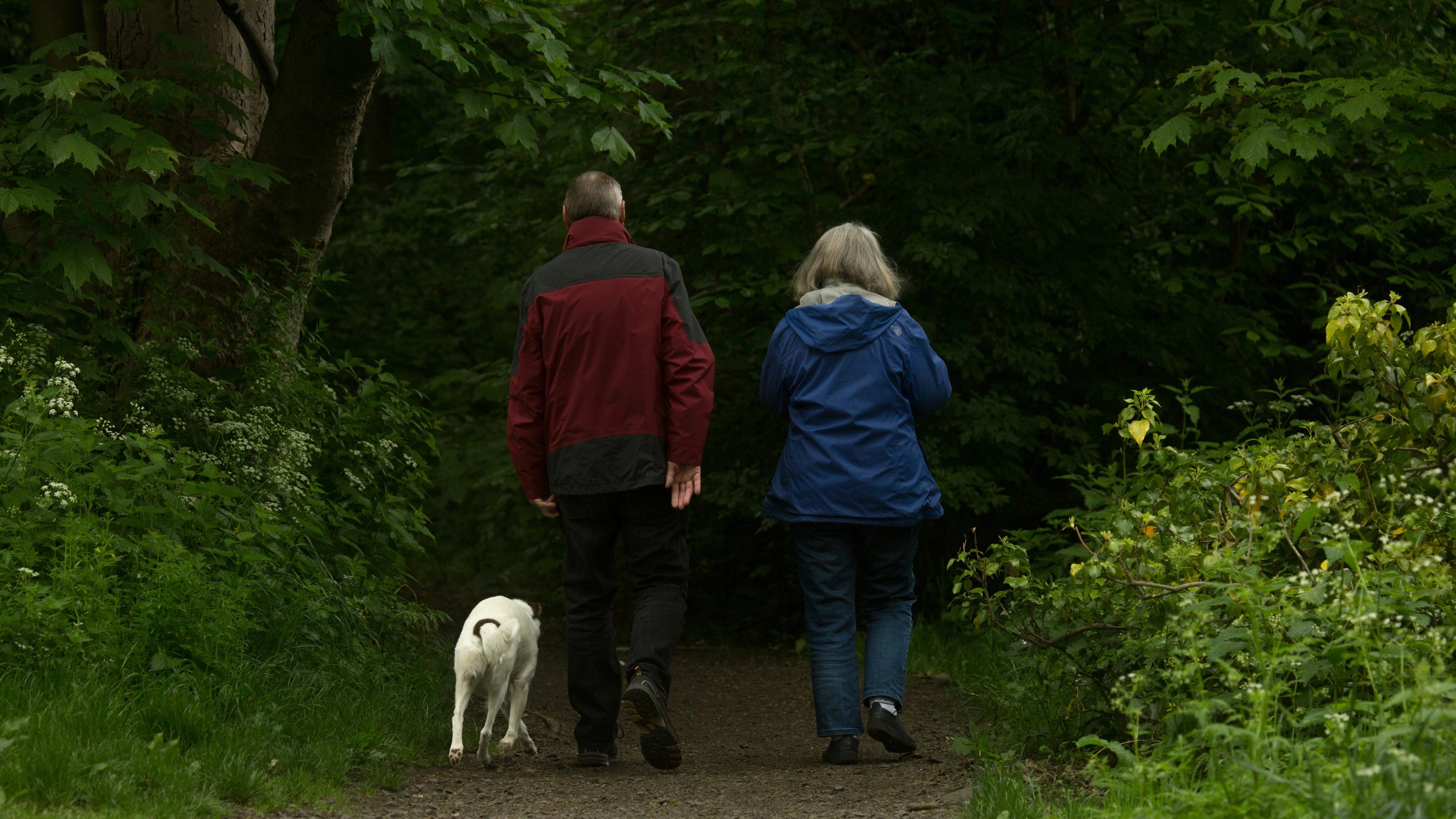
couple walking in the woods with a dog

Retirement Lengthens Sleep and Delays Bedtimes

New research reveals that retirement boosts daily sleep by an average of 23 minutes, with bedtimes shifting later by 25 minutes and wake times by 48 minutes. These findings from a large-scale study on Finnish workers show no drop in sleep quality, suggesting retirement offers a chance for more restorative rest. This science highlights how life changes can improve health in later years.

a woman waking up sittin on a ben

Irregular Sleep Boosts Heart Attack Risk

New research reveals that irregular sleep patterns can increase the risk of heart attacks and strokes by up to 48%, even in people who aren't overweight. This groundbreaking study of over 67,000 adults underscores the importance of consistent bedtime routines for long-term heart health. By tracking sleep with wearables and prioritizing regularity, individuals can potentially prevent cardiovascular events more effectively than diet alone.

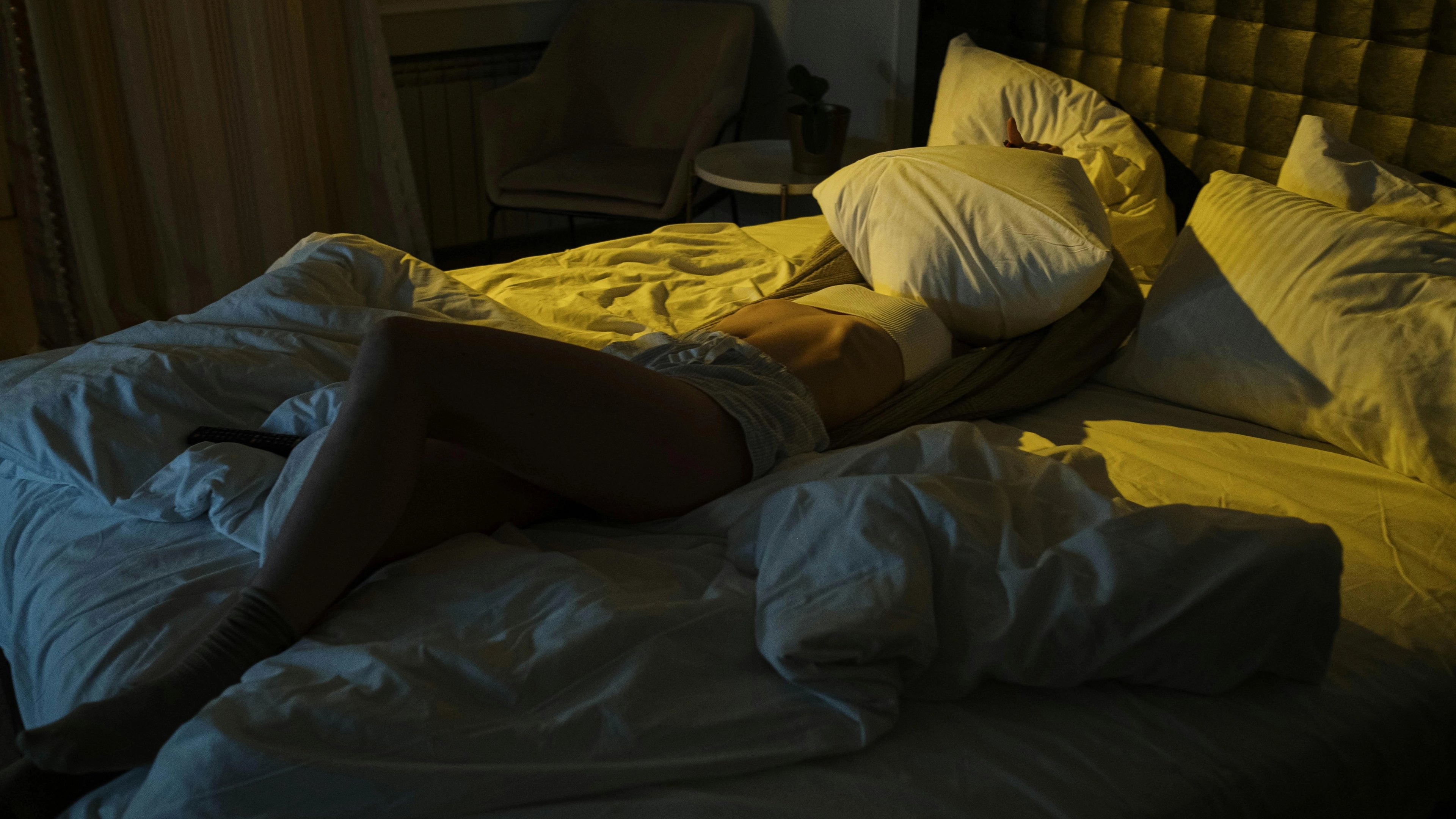
a woman is laying on a bed with white sheets and pillows

The Science of Light and Sleep: How Illumination Shapes Our Rest

Light, whether natural or artificial, interacts with the brain’s suprachiasmatic nucleus (SCN) to synchronize these rhythms with the 24-hour day. This article explores the scientific evidence behind light’s impact on sleep, from daily light exposure to extreme seasonal variations in places like northern Scandinavia, and offers actionable advice for optimizing sleep through light management.

Infographics